

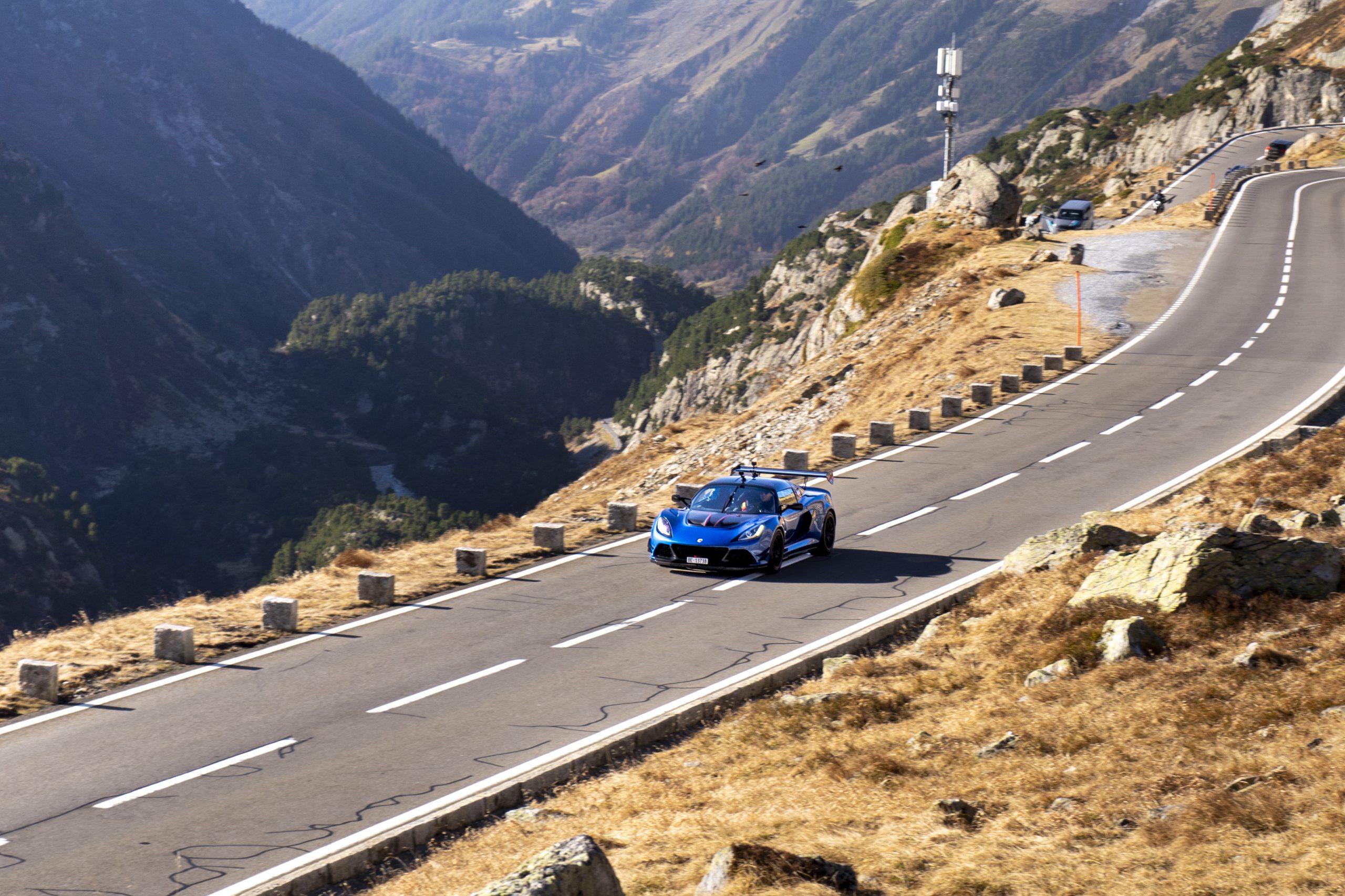
Driving through the Swiss Alps is a unique experience — but timing can completely change how it feels.
From snow-lined roads to golden autumn landscapes, each season offers a different perspective on the same route.
Understanding when to go is key to getting the most out of your alpine drive.
Spring (May to June) – Fresh and Quiet
Spring marks the reopening of many alpine passes.
Melting snow creates dramatic contrasts — green valleys below, snow-covered peaks above.
The roads are often quieter, making it a great time for those who prefer a more relaxed experience.
Things to consider:
• Some passes may still be closed
• Weather can change quickly
• Less traffic overall
Summer (July to September) – Peak Conditions
Summer is the most popular time for alpine driving.
All major passes are open, road conditions are excellent and days are long.
This is when Switzerland’s driving roads are at their most accessible.
What to expect:
• Full access to all routes
• Stable weather
• More traffic, especially on weekends
Autumn (September to October) – The Hidden Sweet Spot
For many, autumn is the best time to drive the Swiss Alps.
The crowds begin to disappear, temperatures are cooler and the landscape shifts into warm, golden tones.
Light conditions are softer, making it ideal for both driving and photography.
Why it stands out:
• Fewer tourists
• Beautiful autumn colours
• Crisp, clear air
Winter – A Different Kind of Drive
While most high alpine passes are closed in winter, driving in the Swiss mountains doesn’t stop.
Lower passes and pre-alpine routes remain accessible — offering a completely different, but equally rewarding experience.
Snow-covered landscapes, quiet roads and a more atmospheric setting make winter driving feel calm, focused and unique.
Examples of winter-friendly routes:
• Raten Pass
• Ibergeregg Pass
• Sattel
These roads may not reach the highest elevations, but they offer something just as special — a more intimate connection with the landscape.
Conclusion
The best time to drive depends on what you’re looking for.
• For full access to high alpine passes → summer
• For atmosphere and fewer crowds → autumn
• For quiet roads → late spring
• For a unique and calm experience → winter on lower passes
Each season offers its own version of the Alps.